
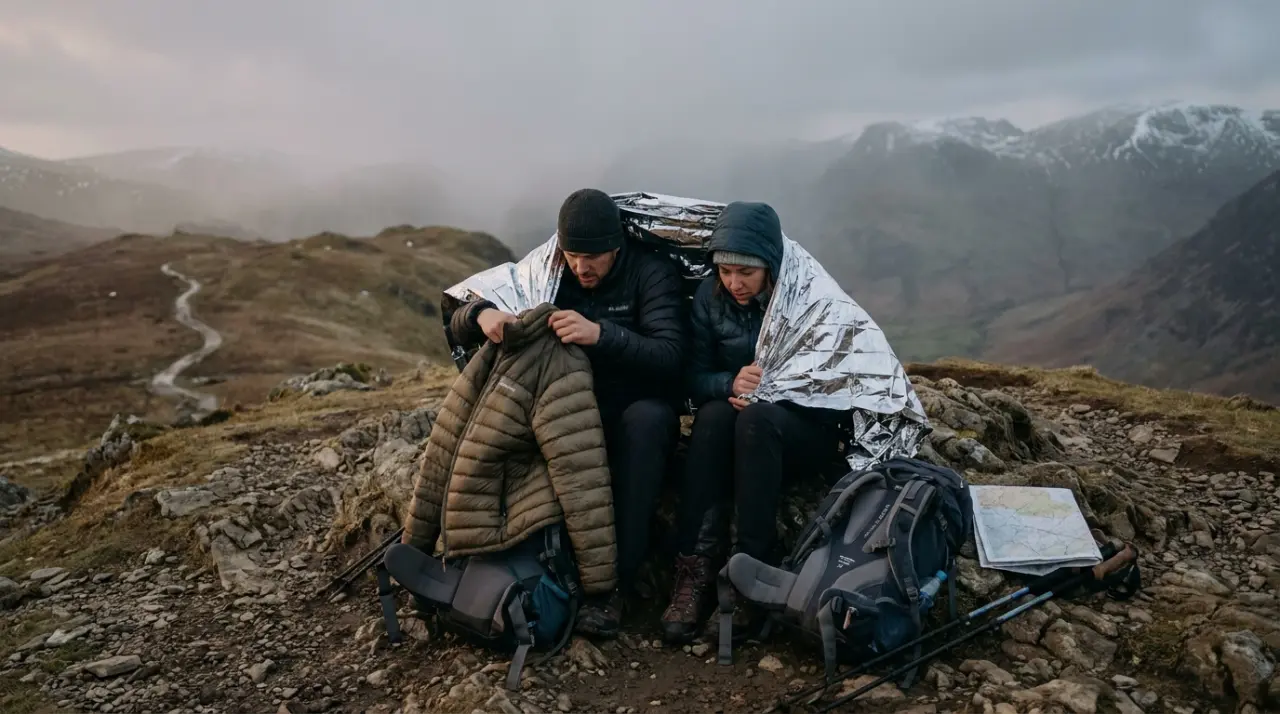
You leave the trailhead with a water bottle, a phone, and a light jacket. The route is familiar, the weather looks friendly, and you expect to be back before dinner. Then a rolled ankle cuts your pace in half. A missed junction adds an hour. By the time you realize you won’t reach the car before dark, the temperature is falling—and your phone battery is nearly empty.
The dangerous mistake is simple: packing and planning as though a day hike cannot become an overnight emergency. It turns an ordinary setback into a much harder problem.
The claim that “95% of day-hikers” make this mistake shouldn’t be treated as fact without a credible source. The percentage isn’t needed to make the point: a short itinerary is not a guarantee of a short outing.
The Real Trap Is Having No Margin for Error
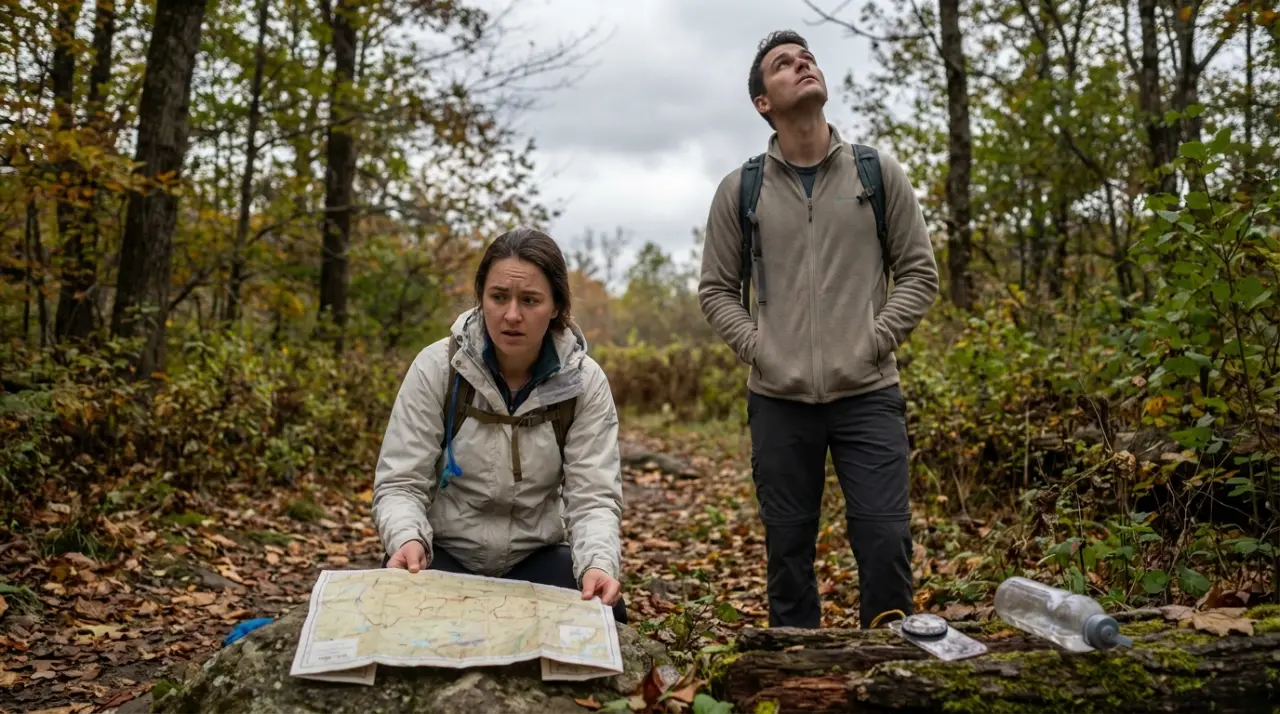
There’s nothing inherently reckless about taking a short hike or traveling light. The problem starts when every decision depends on everything going right: staying on route, maintaining your expected pace, enjoying stable weather, and avoiding injury.
On a trail, small problems can compound. A blister slows your descent. Slower travel leaves you on exposed terrain when the weather changes. Rain wets your clothing, and an unplanned stop leaves you cooling rapidly. None of those events needs to be dramatic on its own.
Good preparation creates a buffer between inconvenience and emergency. That buffer includes equipment, but also a realistic route, an early turnaround, and someone who knows when to raise the alarm.
Why an Unexpected Night Changes Everything
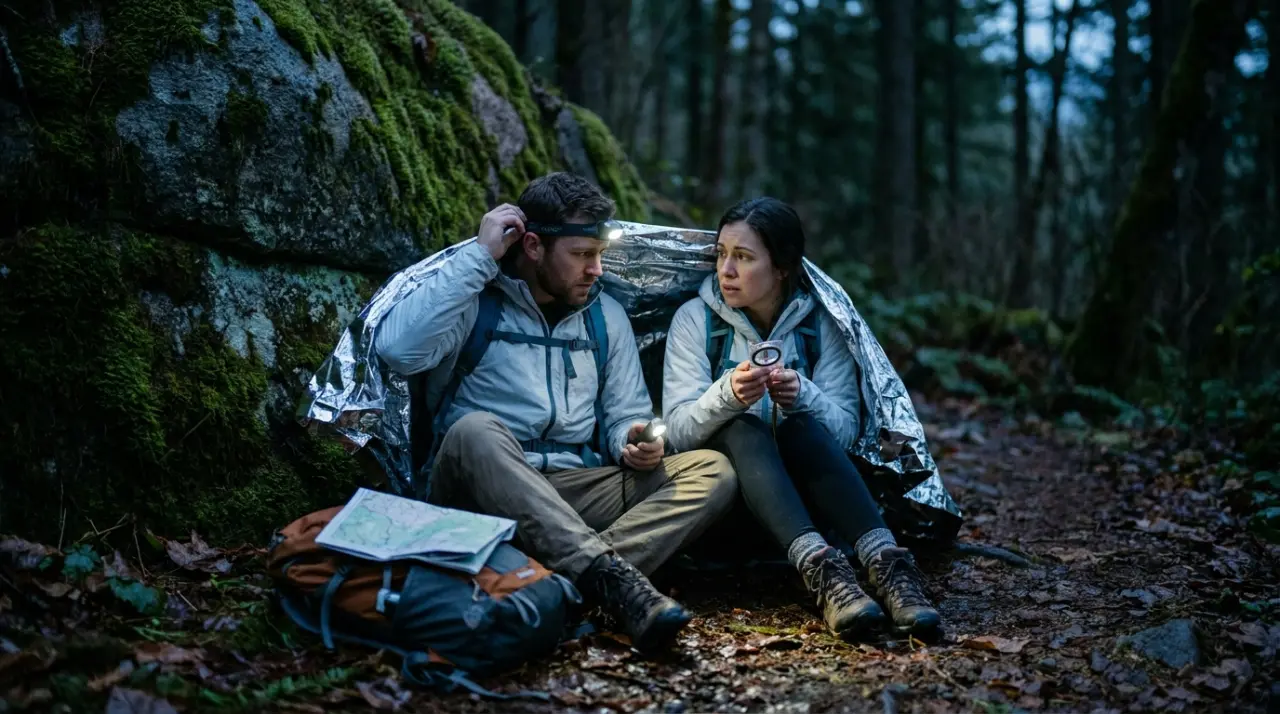
Moving keeps you warm. Once an injury or navigation problem forces you to stop, your needs change. Clothing that felt comfortable uphill may be inadequate while sitting still on cold ground.
Hypothermia can occur even when temperatures are above freezing, especially when wind and rain increase heat loss. In hot environments, an extended delay can instead mean running short of water or remaining exposed during the hottest part of the day.
Darkness adds another layer. Trail markers become harder to see, footing becomes less certain, and familiar landmarks disappear. Trying to hurry out without reliable lighting can turn a manageable delay into a fall.
Help also takes time. Even if you can contact emergency services immediately, rescuers still need to locate and reach you. Terrain, weather, and darkness can complicate that process. Your supplies need to support you during the wait.
Pack for the Delay, Not Just the Destination
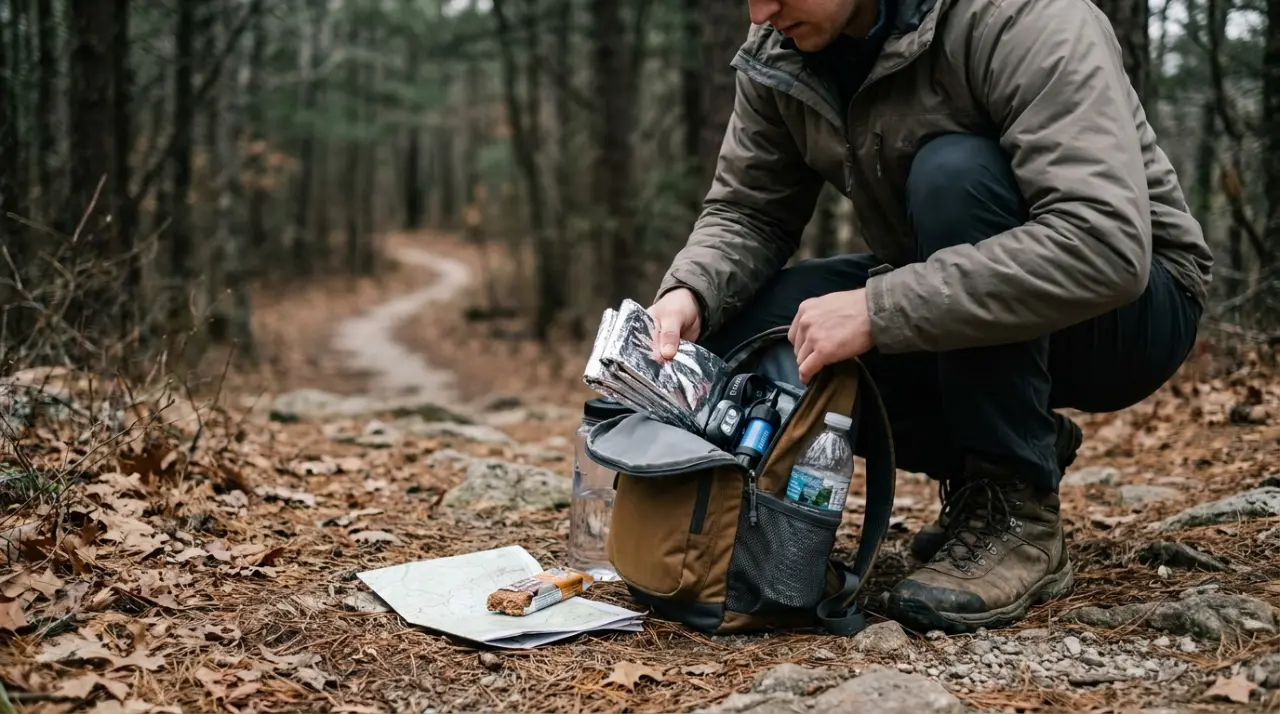
You don’t need a full camping setup for every afternoon walk. You do need equipment suited to the route, season, forecast, and consequences of getting stuck. A sheltered park path and a remote mountain trail deserve different preparations.
Carry Reliable Light and Navigation
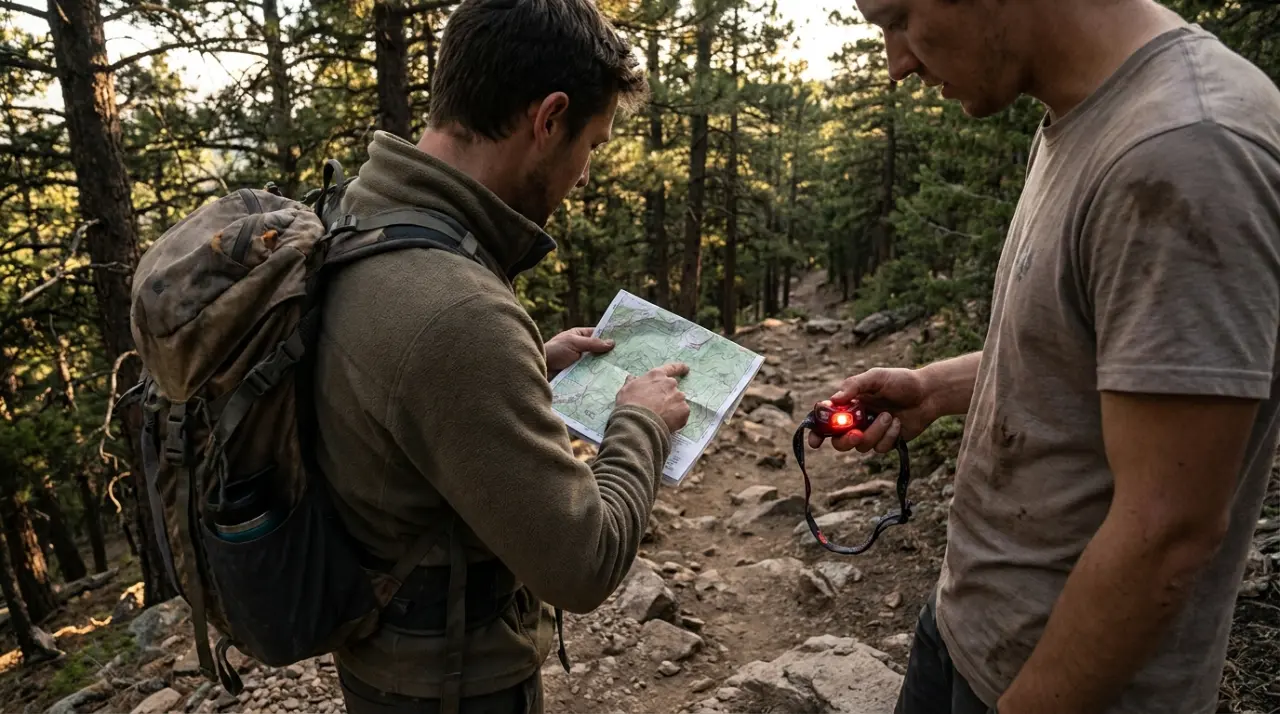
Bring a headlamp, even when you intend to finish well before sunset. Check that it works and carry spare batteries or an appropriate backup power source. A phone flashlight drains a device you may need for communication and navigation.
Download your route and maps for offline use before leaving service. For remote or confusing terrain, carry a paper map and compass—and know how to use them. A saved route is useful, but it doesn’t automatically tell you which terrain is safe to cross.
Protect Yourself When You Stop Moving
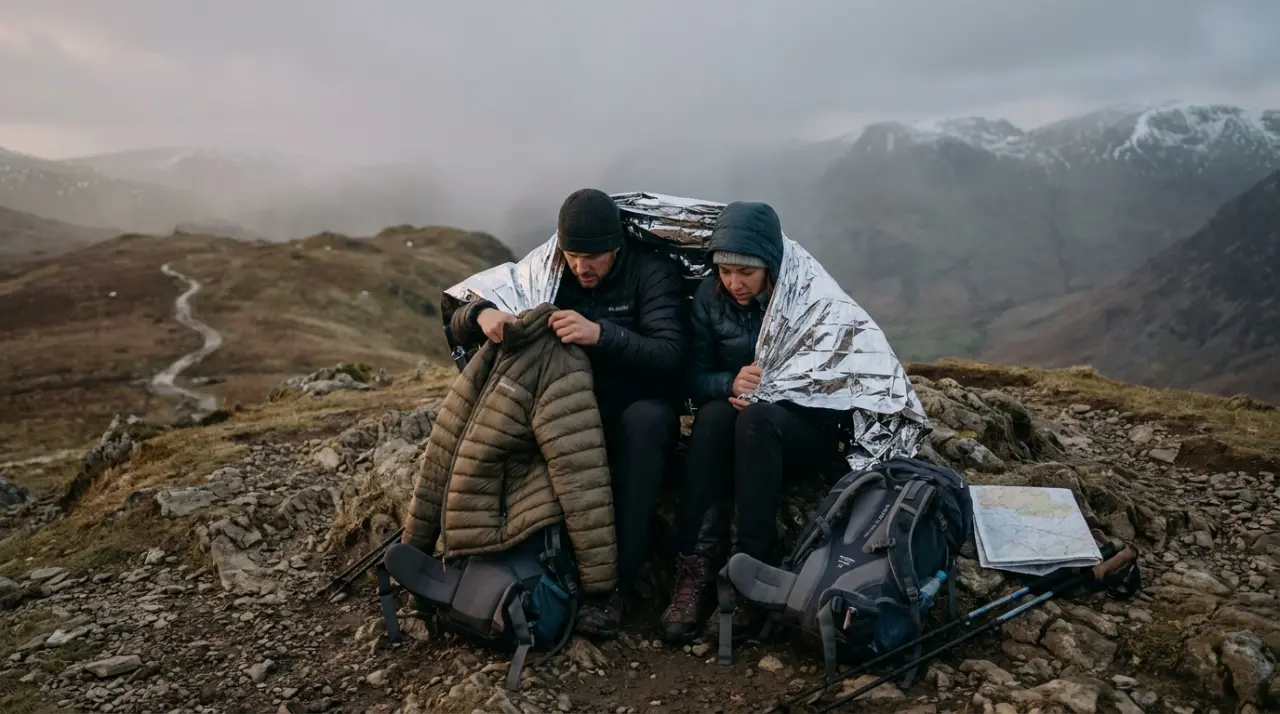
Carry insulation and weather protection appropriate for the conditions you could encounter, not merely the temperature at the trailhead. Include protection from rain and wind when relevant.
A compact emergency bivy or shelter can help reduce exposure. Lightweight emergency blankets have limits: they provide little cushioning or insulation from cold ground and are not substitutes for adequate clothing. Think about how you would stay dry, sheltered, and insulated while waiting.
Cover Water, Food, and Basic Care
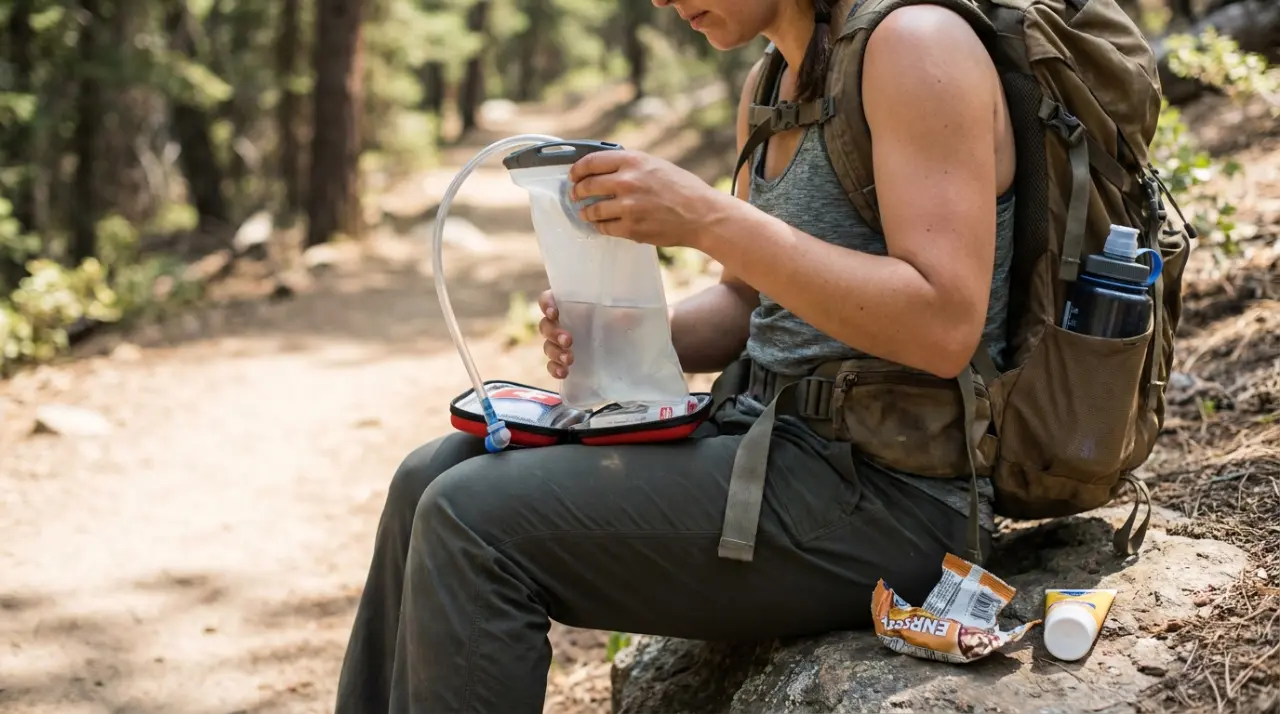
- Water: Carry an amount appropriate to heat, exertion, distance, and available refill points. Where suitable, bring a treatment method and verify that water sources are likely to exist.
- Extra food: Pack ready-to-eat snacks beyond your expected needs.
- First aid: Include blister care, basic wound supplies, and essential personal medication.
- Signaling: Carry a whistle. In areas without dependable cellular coverage, consider a satellite messenger or personal locator beacon and understand its operation and limitations.
The familiar Ten Essentials framework is a useful starting point. Treat it as a set of needs to address, not a shopping list that guarantees safety.
Leave a Plan Someone Can Actually Use
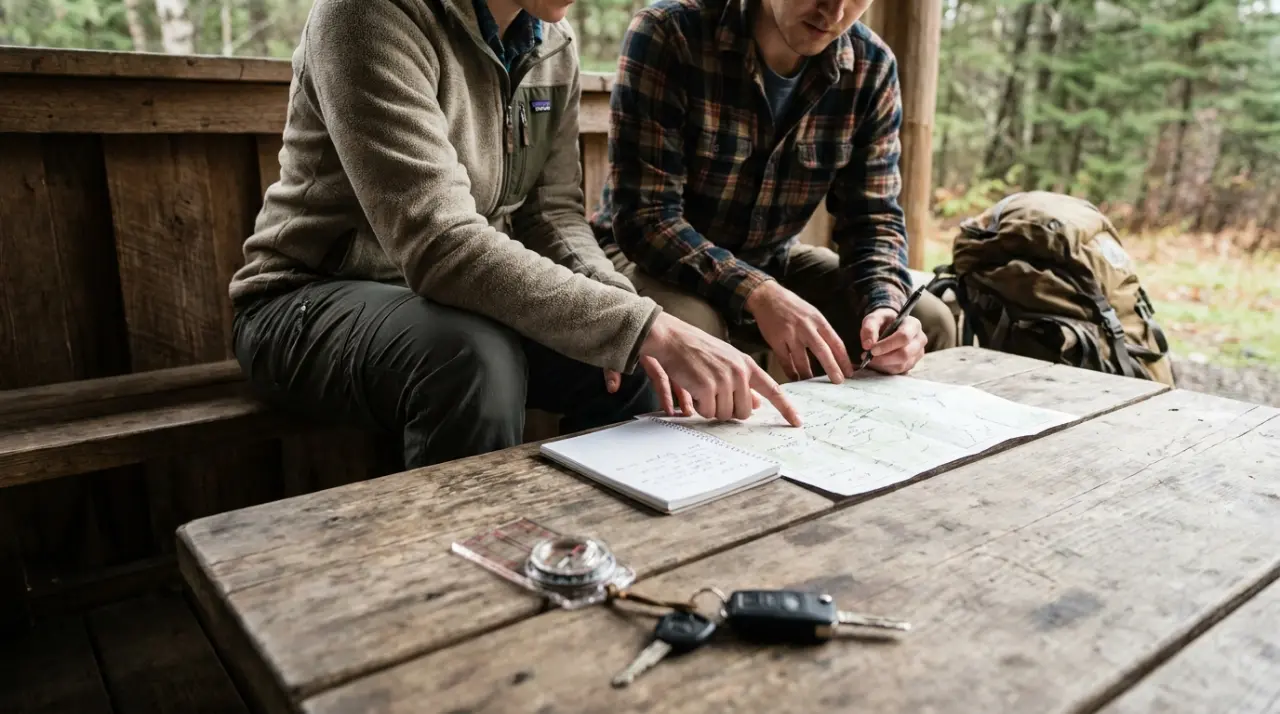
A backpack full of equipment cannot tell anyone you are overdue. Before leaving, share your route, trailhead, companions, expected return time, and a clear time at which your contact should seek help if they haven’t heard from you.
Include relevant vehicle details and any planned alternate route. Agree on who your contact should notify, such as the appropriate local emergency service or land-management authority. Update them if plans change before you lose reception.
“I’m going hiking nearby” leaves too much uncertainty. A specific itinerary gives searchers a better starting point. Remember to check in when you finish so your contact knows you’re safe.
Set a Turnaround Time Before Summit Fever Starts
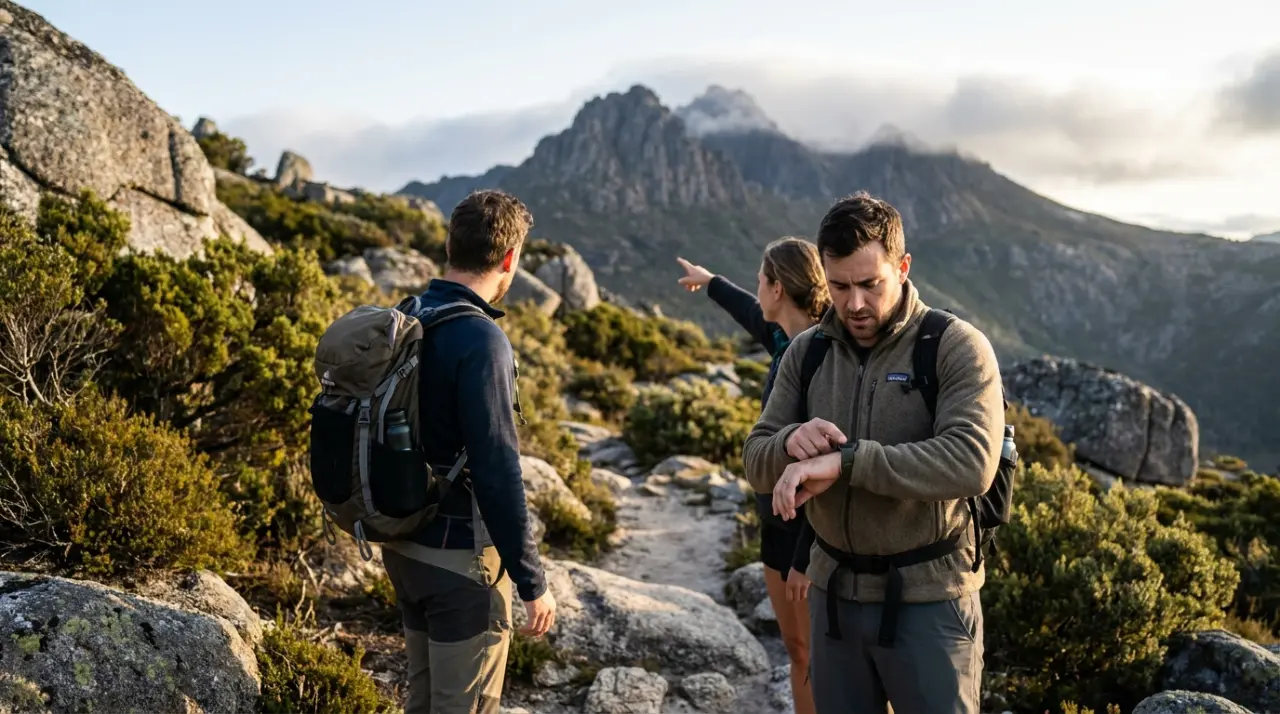
Decide when to turn back before you become invested in reaching the destination. Base that decision on daylight, terrain, forecast conditions, and the pace of the slowest person—not just the advertised mileage.
Leave room for breaks, navigation checks, and a slower descent. Steep, loose, or slippery downhill travel can take longer than expected.
A turnaround time is a limit, not a target to negotiate with. Turn earlier if weather deteriorates, water runs low, someone struggles, or the route becomes uncertain. The summit will still be there another day.
If the Hike Starts Going Wrong, Pause Early
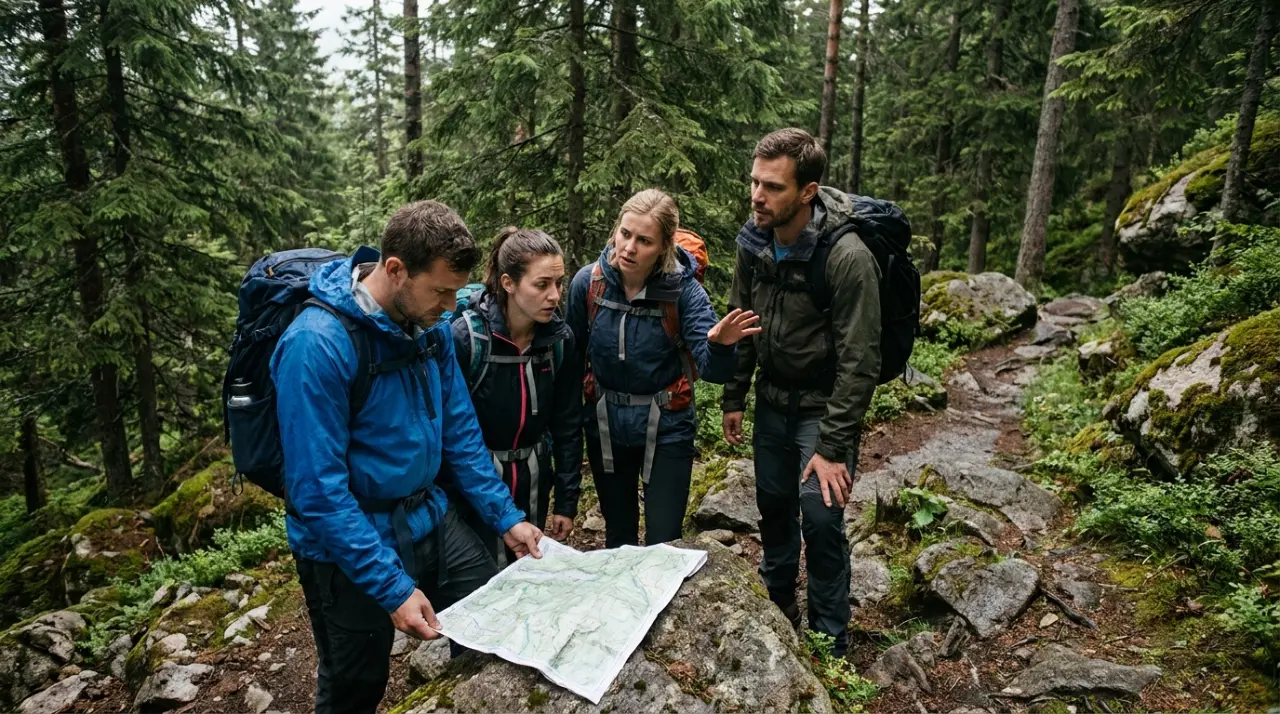
When you lose the route or realize your plan is failing, resist the urge to keep moving simply to feel productive. Stop in a safe place, assess your group, check your location, and protect yourself from exposure before you become cold or exhausted.
If you are injured, unable to navigate safely, or facing a serious threat from conditions, contact emergency services while communication is available. Share your coordinates, the nature of the problem, group size, and available supplies.
Once help is arranged, follow rescuers’ instructions. Avoid unnecessary movement, especially if it would make you harder to locate. If your position is immediately dangerous, move only as needed to reach safer ground and communicate the change if possible.
Ask One Question Before Every Hike
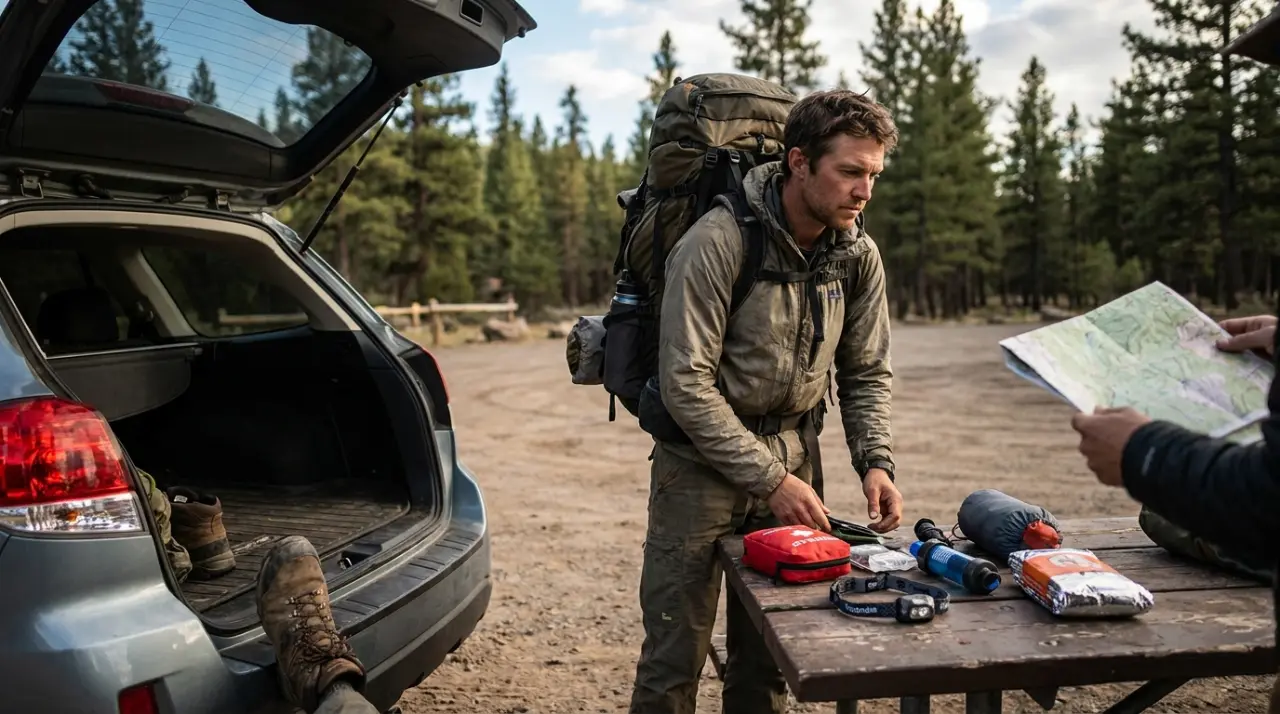
Before leaving the car, ask: “If I had to stop for several hours—or stay out tonight—what would keep me safe?”
If the answer is only “my phone” or “that won’t happen,” revise the plan. Add the missing supplies, choose a less committing route, or wait for better conditions. The goal isn’t to fear the trail. It’s to make sure one ordinary mistake doesn’t become a survival emergency.
