
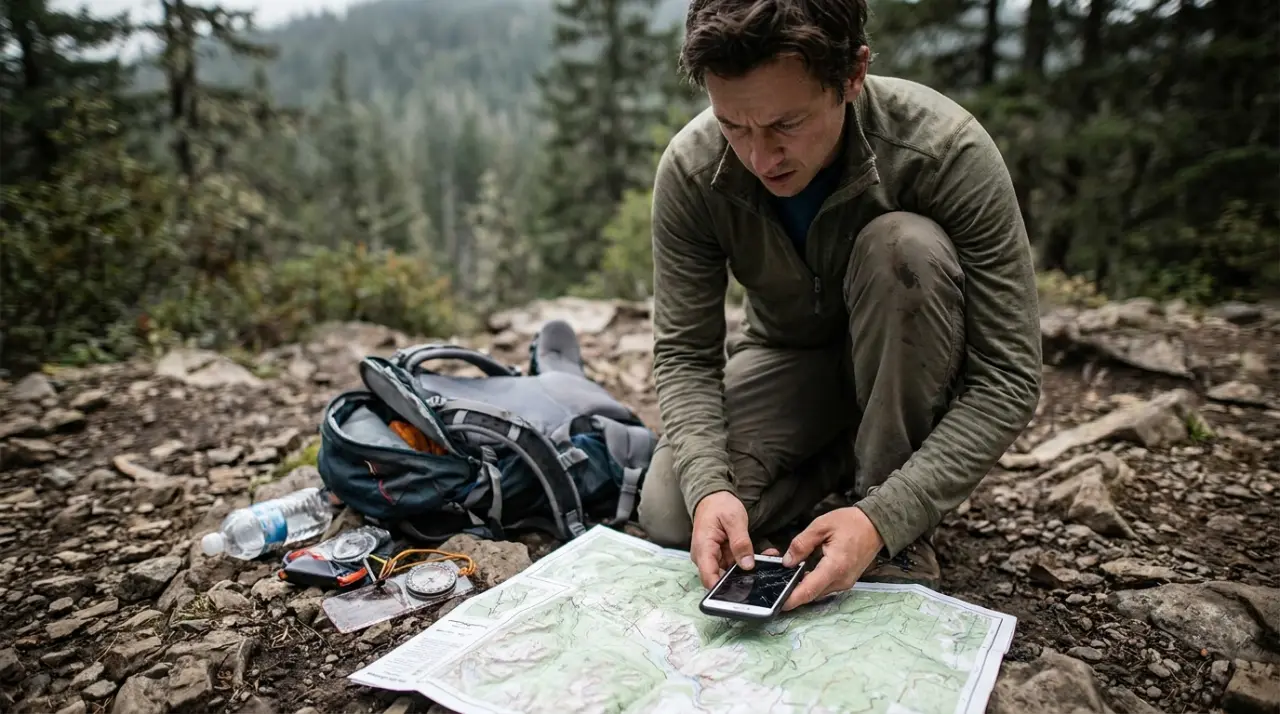
You leave the trailhead after lunch with a water bottle, a phone, and a light jacket. The route looks straightforward, and you expect to be back before dinner. Then a wrong turn costs an hour. A sore ankle slows the descent. Your battery drops, the temperature falls, and suddenly the woods are getting dark while your car is still miles away.
The mistake began before any of those problems: you packed and planned as though everything would go right. Treating a day hike as an outing that cannot possibly last overnight can turn a manageable setback into a serious emergency.
The claim that “95% of day-hikers do it” should not be treated as fact without a credible source. But the underlying risk deserves attention, even without a dramatic statistic.
The Real Mistake: Confusing a Short Hike With a Low-Consequence Hike
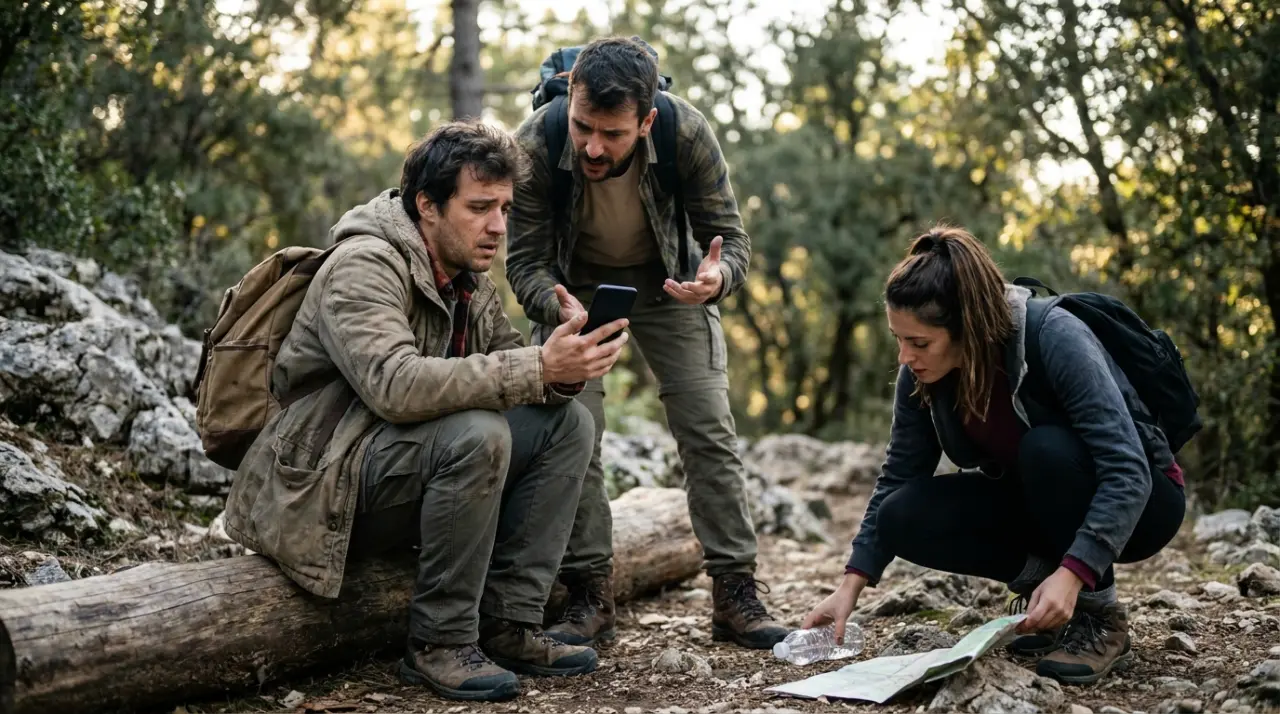
Distance alone does not determine how forgiving a hike will be. A short trail can cross exposed terrain, climb into colder weather, or lead into a canyon without mobile reception. Even a popular route can become difficult to follow after snowfall or at dusk.
The dangerous assumption is simple: “I’ll only be out for a few hours, so I don’t need much.” That leaves no margin for an injury, a navigation error, a washed-out crossing, or a slower-than-expected companion.
You do not need to pack for an expedition. You need to prepare for a reasonable delay. The useful question is not just, “What will I need if the hike goes well?” It is also, “What would keep me safe if I couldn’t get back tonight?”
How Small Problems Become an Emergency
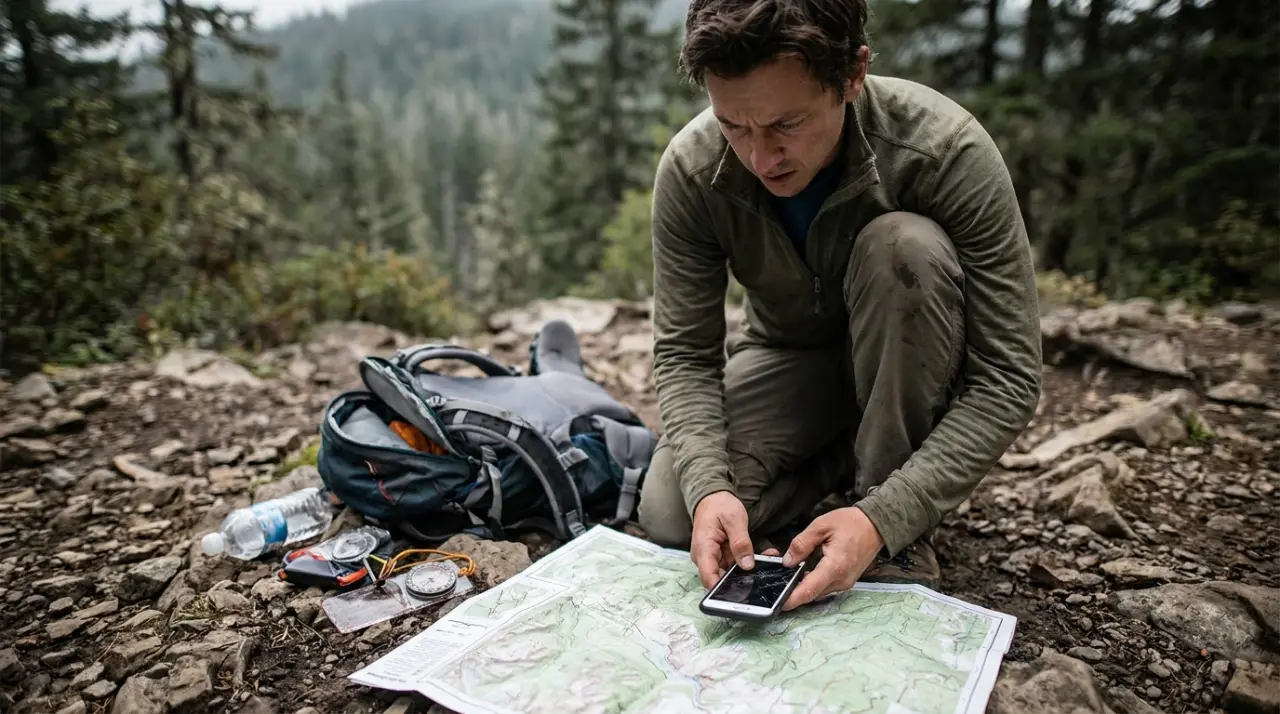
Outdoor emergencies often develop through a chain of ordinary setbacks. Someone misses a junction, keeps walking rather than checking the map, and adds distance. As daylight fades, they hurry. A stumble then turns a late finish into an unplanned stop.
Darkness makes navigation and footing more difficult. Fatigue can weaken judgment. Wet clothing and wind accelerate heat loss, and hypothermia can occur in cool conditions well above freezing.
A phone might help, but it is not a complete safety plan. Reception may be absent, batteries run down, and a phone flashlight uses power you may need for navigation or emergency communication. Even after you reach help, rescuers may need substantial time to find and reach you.
Build a Small Safety Margin Into Your Pack
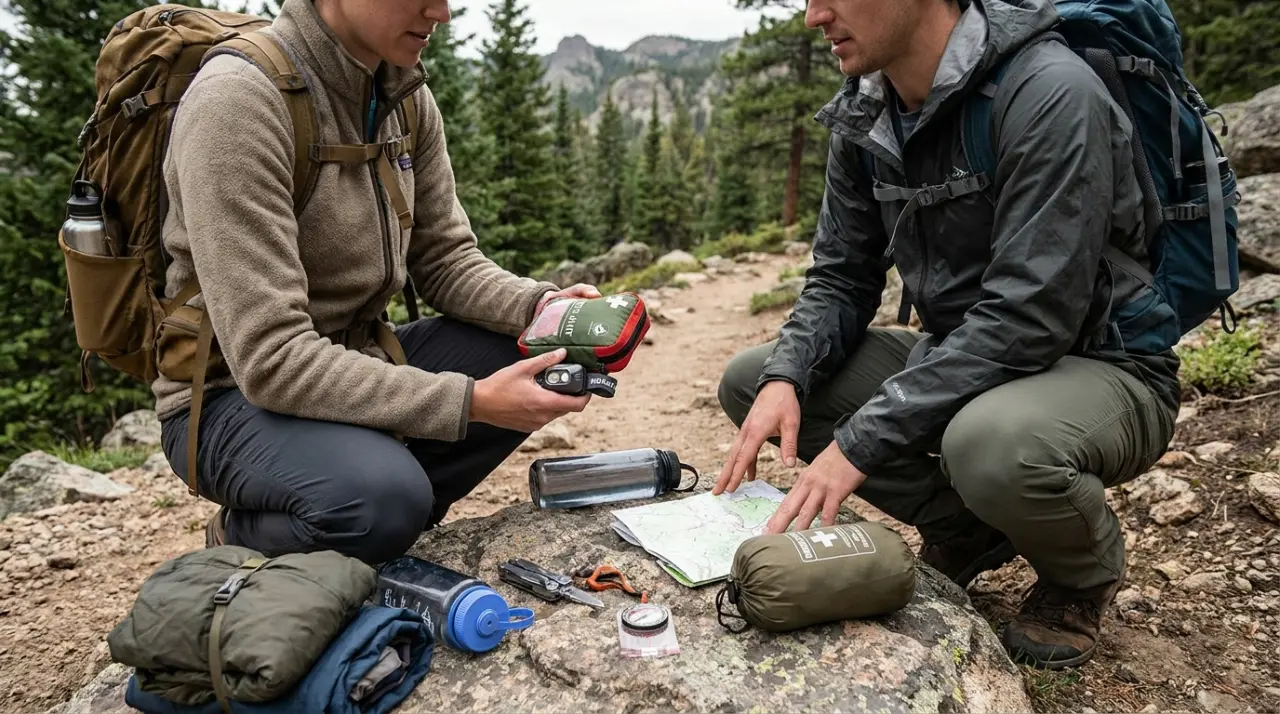
Your equipment should match the terrain, forecast, season, and remoteness. A familiar park path and an exposed mountain route do not require identical preparation. For hikes away from immediate assistance, carry enough to handle darkness, changing weather, and an unexpected stop.
- Navigation: Bring an offline map and know how to use it. For remote or complex routes, carry an appropriate backup, such as a paper map and compass you can use.
- Lighting: Carry a headlamp with sufficient charge or spare batteries. Keep it accessible rather than buried beneath your gear.
- Weather protection: Bring suitable insulation and rain or wind protection. Consider conditions higher up and after sunset, not just at the trailhead.
- Emergency shelter: A compact emergency bivy or suitable shelter can reduce exposure during an unplanned stop. Lightweight emergency products have limits and do not replace adequate clothing.
- Water and food: Carry enough for the route plus a sensible reserve. Where appropriate, bring treatment equipment and confirm that water sources are available.
- First aid and personal needs: Include blister care, basic injury supplies, and essential medication.
- Signaling and communication: Bring a whistle and a charged phone. For remote travel, consider a satellite messenger or personal locator beacon and learn its operation beforehand.
Sun protection, repair supplies, and other essentials may also be appropriate. Carrying equipment is only half the job: check it before leaving and practice using unfamiliar items at home.
Set a Turnaround Time Before You Start
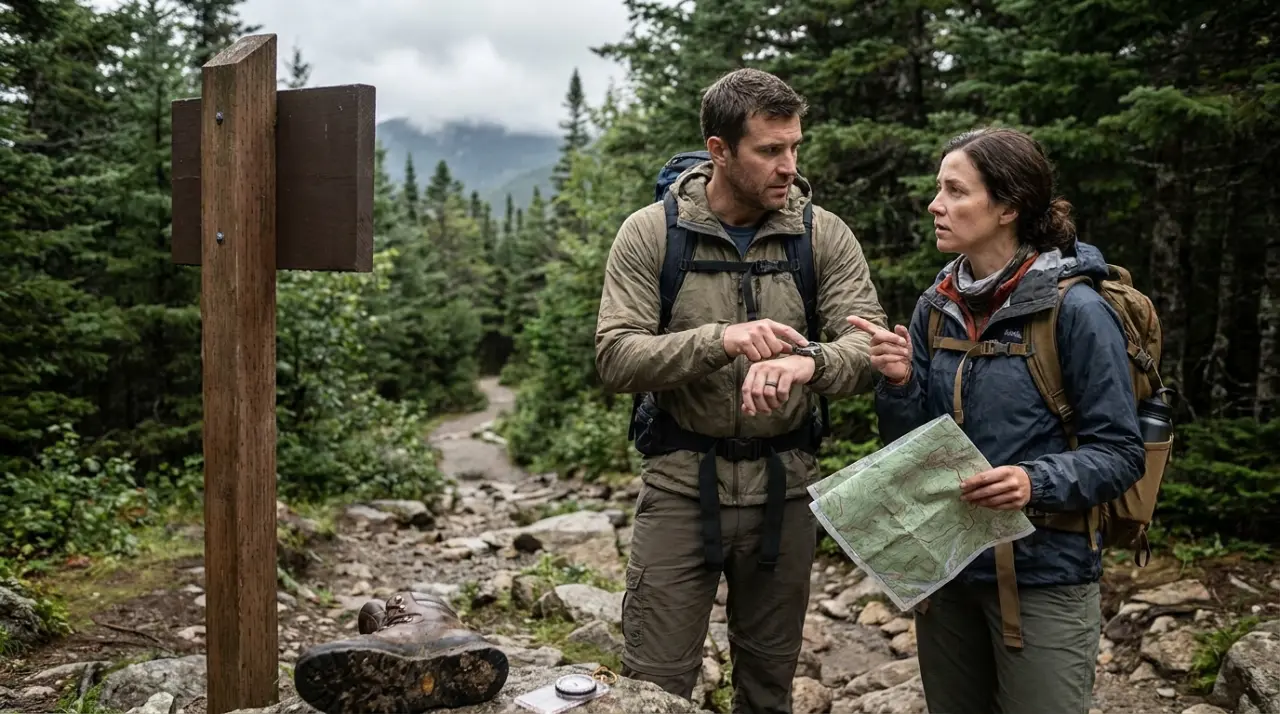
A destination is optional. Getting back safely is not. Before leaving, set a turnaround time that accounts for daylight, terrain, weather, and the pace of the slowest person in your group.
Do not assume the return will be faster. Steep descents, loose ground, fatigue, and sore knees can slow you down. Leave a buffer rather than planning to reach the car at the exact moment darkness falls.
When your turnaround time arrives, turn back even if the viewpoint seems close. Reassess earlier if conditions deteriorate. A schedule is a limit, not a reason to keep going until that limit. Turning around while everyone is comfortable is good judgment, not failure.
Leave a Plan With Someone Who Will Notice
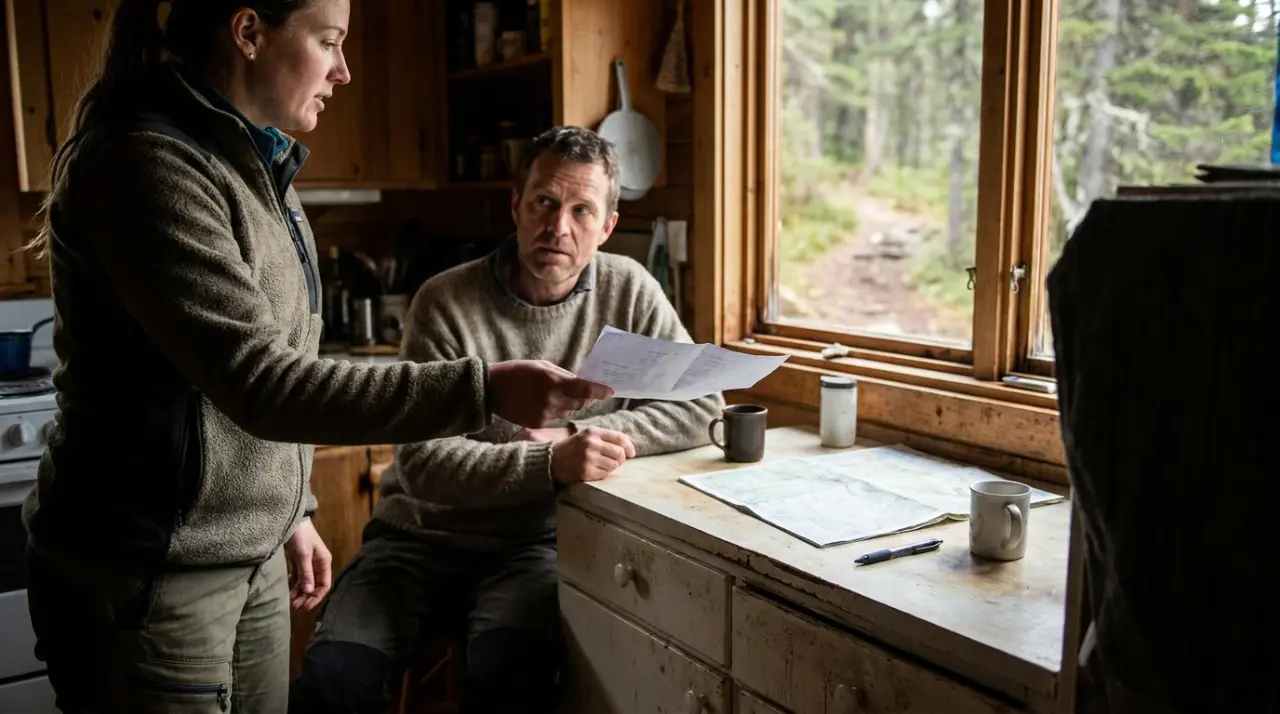
A safety item weighs nothing: a trip plan shared with a reliable person who is not joining the hike. Tell them your trailhead, intended route, destination, companions, and expected return time.
Agree on a specific check-in deadline and what they should do if you miss it. Include vehicle details and any route alternatives you might use. If plans change while communication is available, update that person.
This is different from posting a scenic destination online. Your contact needs actionable information and a clear understanding of when to alert the appropriate local emergency service. Remember to check in when you return.
If Things Go Wrong, Stop the Situation From Getting Worse
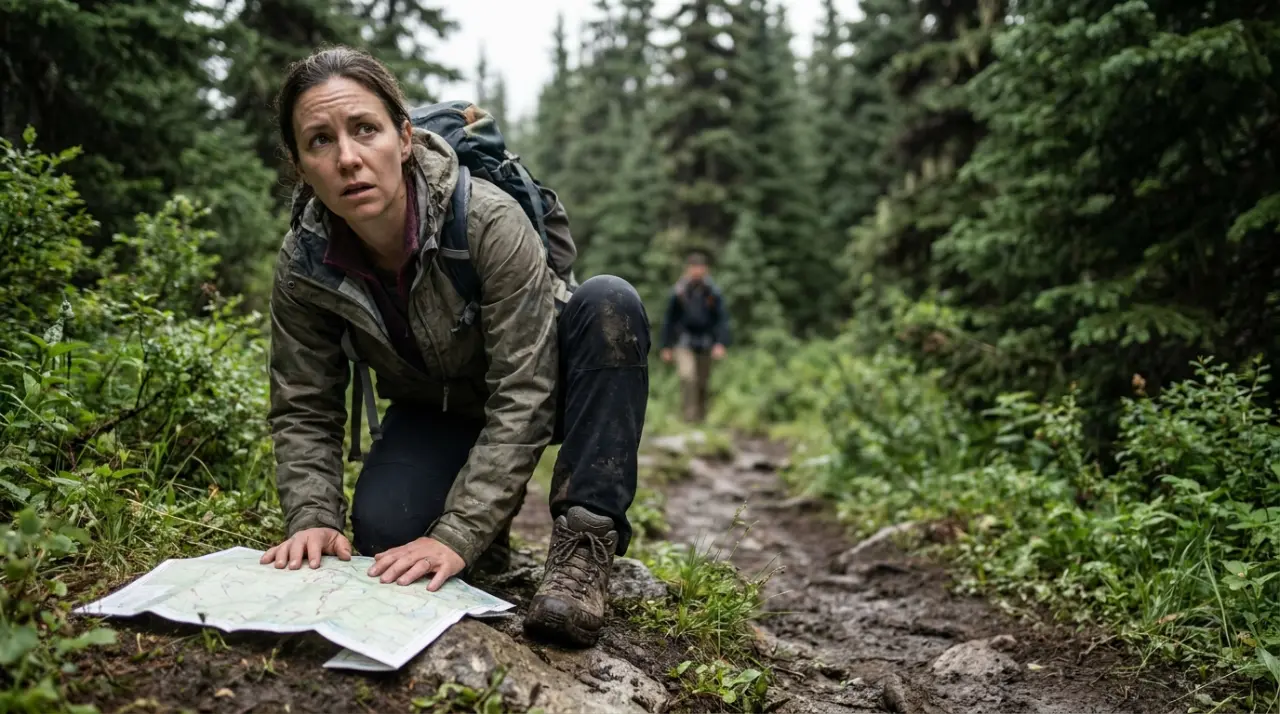
If you become unsure of your location, stop before wandering farther. Assess your surroundings, daylight, weather, supplies, and any injuries. Check your map and identify your last confirmed position.
Do not descend an unfamiliar gully, cut across steep terrain, or assume following water will lead safely to a road. Retrace your route only when you can confidently identify it and doing so is safe.
If you cannot safely continue, seek emergency assistance early where possible. Share your location or coordinates, what happened, your group size, injuries, and available shelter. Follow responders’ instructions.
Once help is coming, generally remain in a safe, identifiable location unless immediate hazards require moving or rescuers direct otherwise. Protect yourself from wind and wet ground, add insulation before becoming chilled, and conserve battery power. Use a whistle or light to attract attention rather than exhausting yourself shouting.
Pack for the Delay, Not Just the Destination
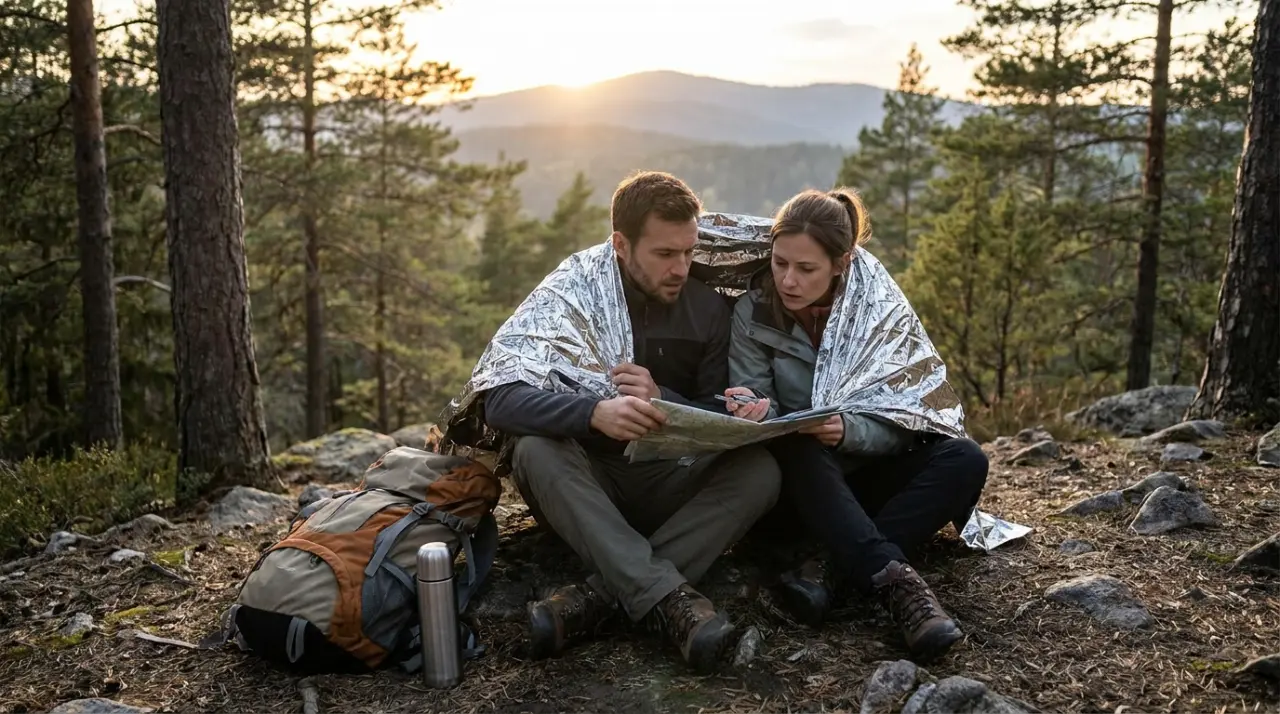
Good preparation does not make hiking risk-free, and extra gear cannot compensate for dangerous decisions. What it provides is margin: light when you are late, warmth when you stop, and a way for someone to know you need help.
Before your next hike, ask one question: “If this takes longer than expected, what changes?” If the answer is that you lose your light, warmth, navigation, or communication, adjust your plan before stepping onto the trail.
Generated with Gemini
